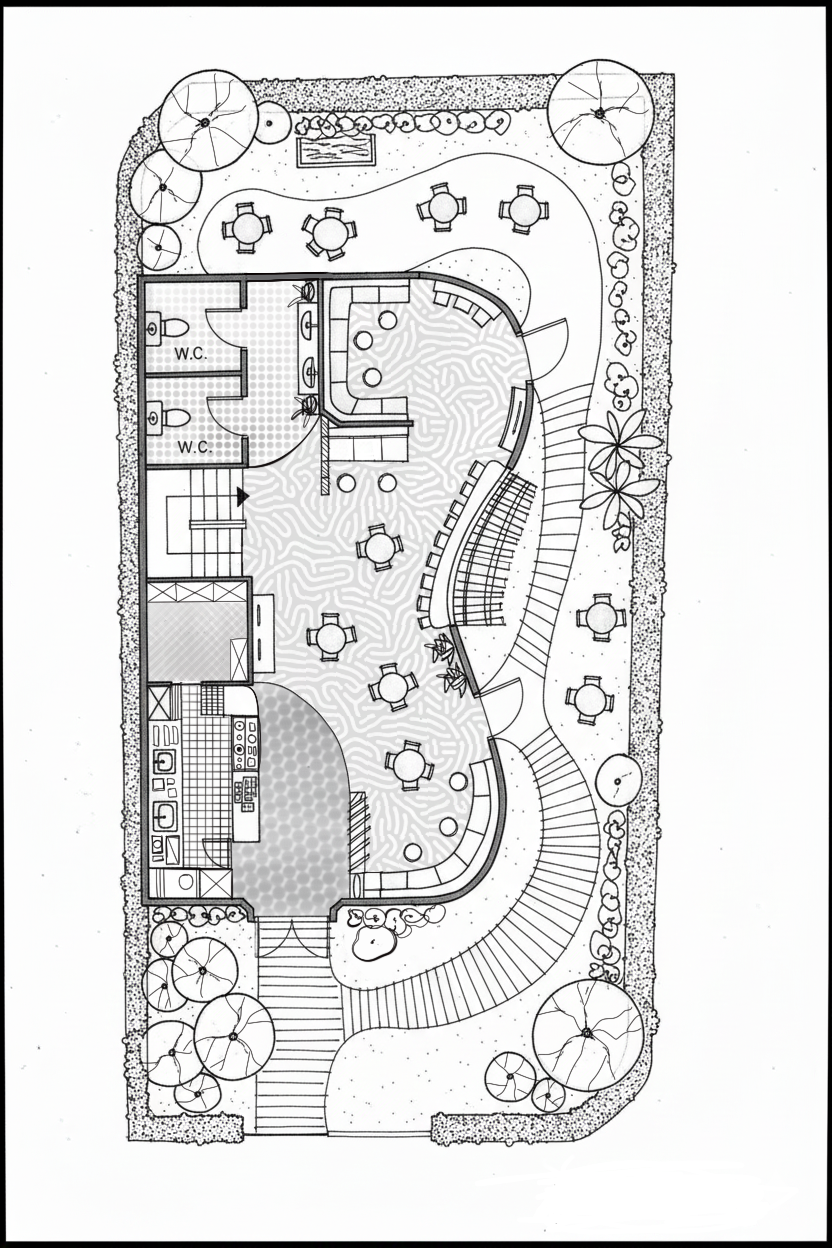
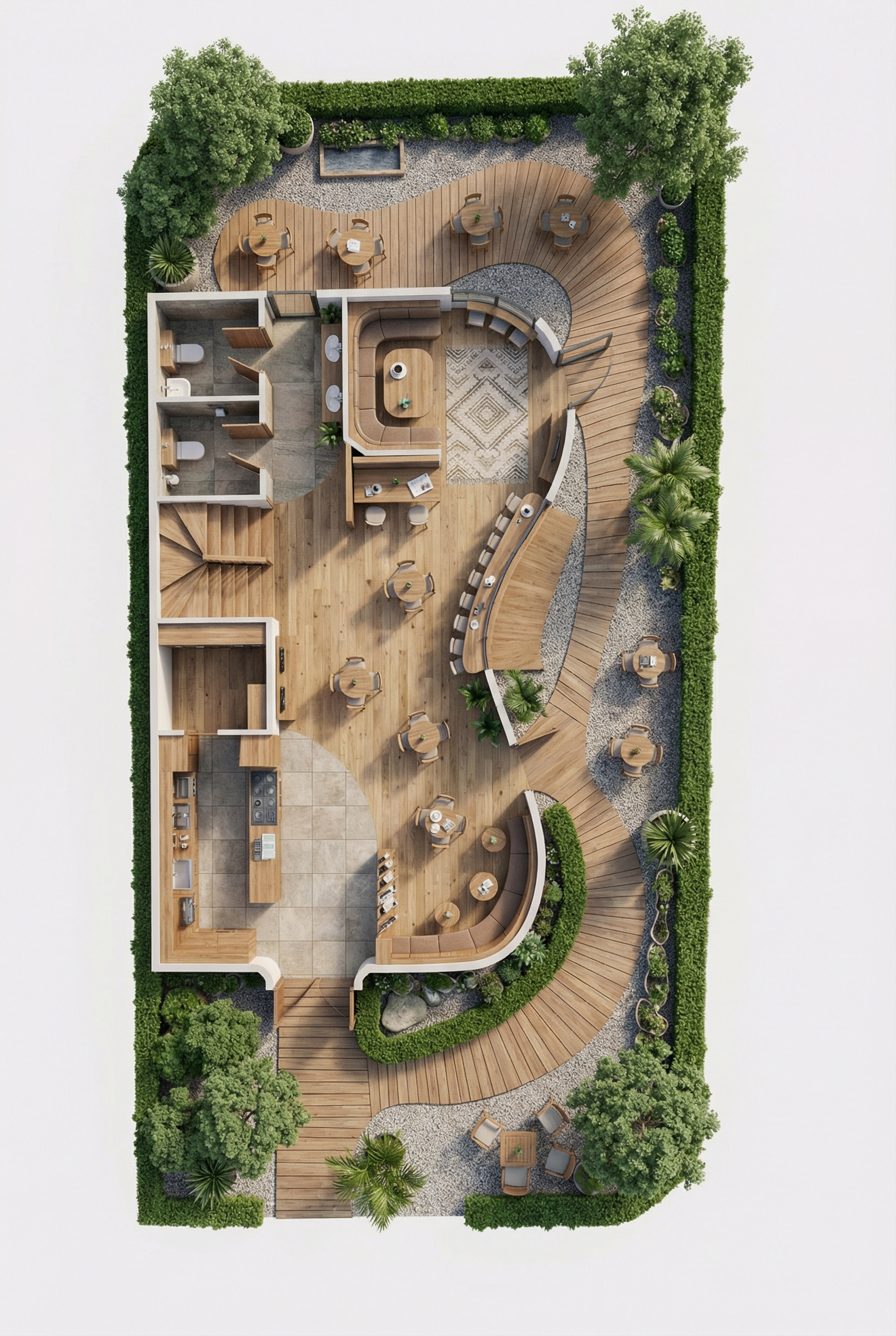
Real estate visualization is the creation of photorealistic 3D visual representations of properties, including interior spaces, building exteriors, and spatial layouts. These visualizations transform technical floor plans and architectural drawings into accessible visual content that helps buyers, agents, and developers understand properties before construction or photography is available.
The visualization process converts 2D property documentation—floor plans, sketches, architectural drawings—into 3D models with realistic furniture, lighting, materials, and environmental context. This enables stakeholders to see how properties will appear when completed, making visualization essential for pre-construction marketing, virtual staging, and property presentations.
Real estate visualization serves multiple purposes: marketing properties that aren't yet built or photographed, helping buyers visualize spaces before visiting, supporting pre-sales campaigns for developers, and creating professional presentation materials for agents and architects. The technology has become fundamental to modern real estate marketing and sales workflows.
For specific workflows, see residential 3D rendering for vacant and home listings, and pre-construction sales visuals from floor plans for off-plan launches. Investment and leasing teams may also use investor pitch deck visuals and commercial office and property marketing. For fix-and-flip resale, the same Drafto floor-plan-to-render product applies.
Traditional visualization required specialized 3D artists, expensive software, and weeks of work per visualization. AI-powered visualization automates this process, generating professional results in approximately 30 seconds from simple inputs. This democratization makes high-quality visualization accessible to all real estate professionals, regardless of technical expertise or budget constraints.